
Nutrition for a small but mighty breed
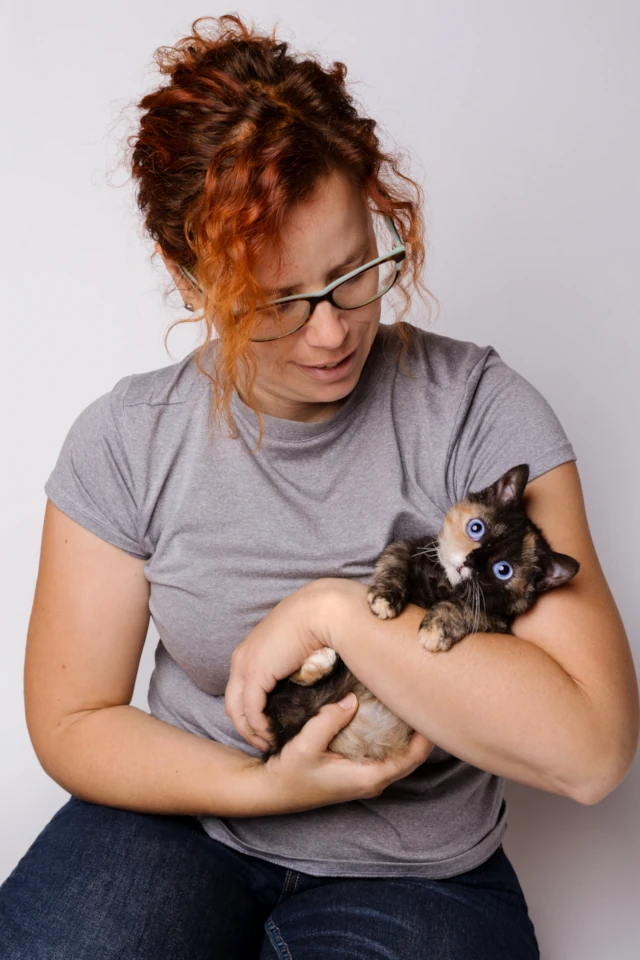
The Lambkin cat, a cross between the Selkirk Rex and the Munchkin, is known for its compact size, curly fur, and charming personality. While they are small and less active than many other breeds, they still require a nutritious diet tailored to their specific needs. Proper feeding ensures their overall health and keeps their adorable, lamb-like appearance in top condition.

Nutritional needs of Lambkin cats
Lambkin cats thrive on a balanced diet with moderate portions. Their nutritional requirements include:
• High-quality protein: Essential for their growth and muscle maintenance. Look for animal-based proteins like chicken, turkey, or fish.
• Healthy fats: Omega-3 and Omega-6 fatty acids promote a shiny, healthy coat.
• Controlled carbohydrates: Keep carbohydrate intake low to prevent unnecessary weight gain.
• Essential vitamins and minerals: Support overall health and immune function.
Feeding Lambkin kittens
Like all kittens, Lambkin kittens need nutrient-rich food to support their rapid growth and playful energy.
• Protein-packed diet: Choose a grain-free kitten food with at least 35-40% protein and raw chicken thigh fillet.
• Frequent meals: Feed small portions 3-4 times a day to match their fast metabolism.
• Supplements: Add Omega-3 supplements for coat and brain health.
• Portion sizes: Be cautious with portions to avoid overfeeding, as Lambkins are small and can easily gain weight.
Feeding adult Lambkin cats
Adult Lambkins are more sedentary than high-energy breeds, so their diet should reflect their lower activity levels.
• Smaller portions: Offer smaller meals twice daily. Their size and energy needs make large portions unnecessary.
• Grain-free options: Feed a super-premium grain-free dry food along with occasional fresh raw chicken thigh fillet.
• Omega fatty acids: Ensure their food contains nutrients that enhance their coat’s curl and shine.
• Hydration: Include wet food occasionally or ensure fresh water is always available.
Feeding senior Lambkin cats
As Lambkins age, their metabolism slows, and their dietary needs change.
• Easily digestible proteins: Provide foods with high-quality, lean proteins like chicken or fish.
• Joint support: Choose foods containing glucosamine and chondroitin for joint health.
• Weight monitoring: Feed smaller portions and monitor their weight closely.
• Dental care: Incorporate kibble designed to reduce plaque buildup.
What to avoid in a Lambkin’s diet
• Grains and fillers: Can lead to digestive issues and unnecessary weight gain.
• Artificial additives: Avoid preservatives, colors, and flavor enhancers.
• Toxic foods: Do not feed chocolate, onions, garlic, or raw eggs.
Tips for a healthy coat and body
• Omega-3 supplements: Promote a shiny and healthy coat.
• Portion control: Keep meal sizes appropriate for their size to avoid obesity.
• Hydration: Fresh water is essential for maintaining healthy skin and fur.
Feeding recommendations for the New Wave Kitty Lambkin Cats
At New Wave Kitty, we feed our Lambkin cats the same super-premium grain-free dry food and fresh raw chicken thigh fillet we offer to all our cats. However, smaller portions are sufficient for their modest size and energy needs, ensuring they remain healthy and active without unnecessary weight gain.
Feeding a Lambkin cat requires balancing quality nutrition with appropriate portion sizes. By prioritizing high-quality ingredients and keeping their portions smaller, you’ll help your Lambkin thrive, ensuring they live a happy, healthy life with their unique appearance intact.