

Nutrition for a vibrant and healthy life
Bengal cats are a stunning breed known for their striking leopard-like coats and boundless energy. Proper nutrition is vital to maintaining their unique beauty, health, and vitality. From kittenhood to senior years, Bengal cats have specific dietary needs that support their growth, coat health, and overall well-being. Here’s an in-depth guide to feeding your Bengal cat, tailored to every stage of life.
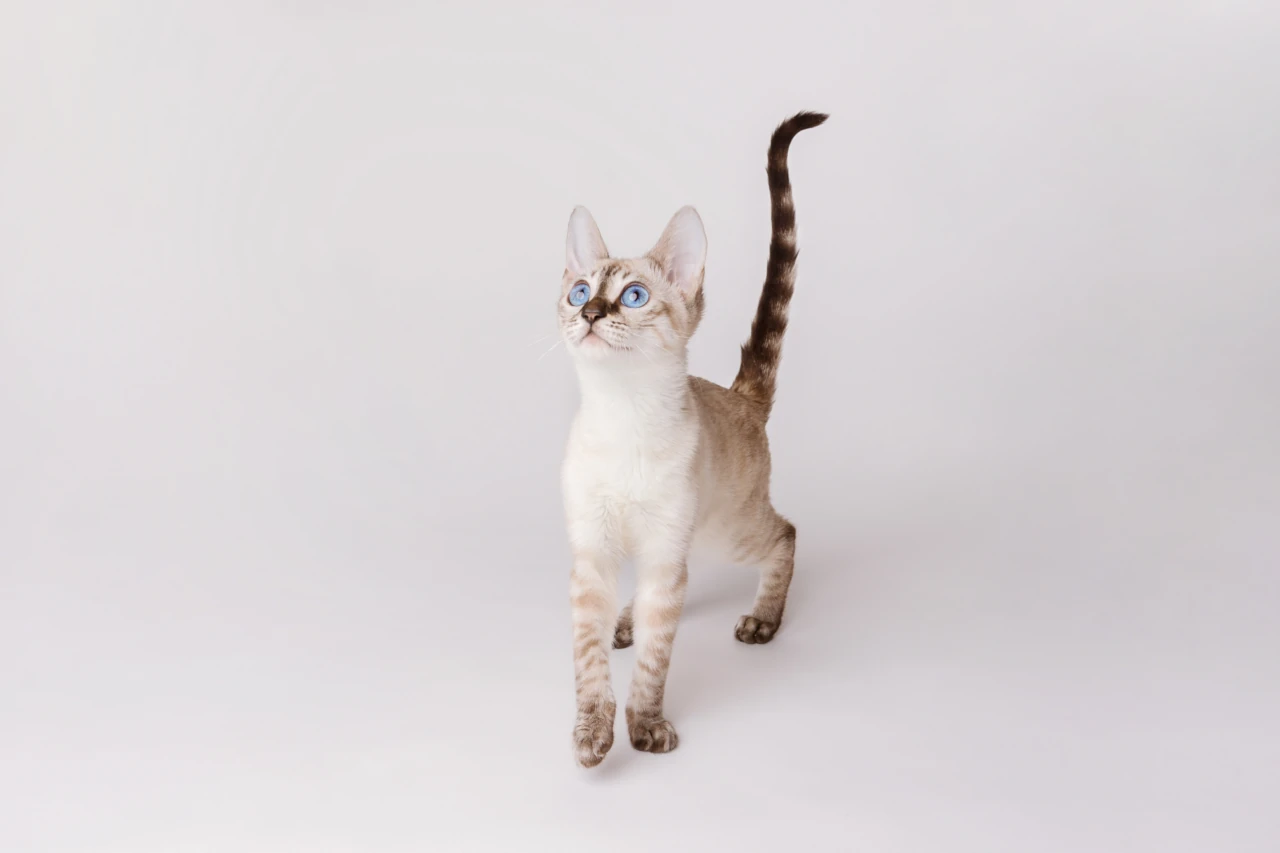
Nutritional needs of Bengal cats
Bengal cats are highly active, requiring a protein-rich diet to support their muscular build and energy levels. Key components of a Bengal’s diet include:
• High-quality protein: Essential for muscle development and energy. Look for chicken, turkey, or fish as primary ingredients.
• Healthy fats: Omega-3 and Omega-6 fatty acids promote a shiny coat and healthy skin.
• Taurine: A vital amino acid for heart and eye health.
• Vitamins and minerals: Support immunity, bone health, and organ function.
• Carbohydrate control: Bengals thrive on a diet with minimal carbohydrates, mirroring the natural carnivorous diet of wild cats.
Feeding Bengal kittens
Bengal kittens grow rapidly in their first year, necessitating a diet that meets their high energy and developmental needs.
• Diet composition: Feed high-quality, grain-free dry kitten food with at least 35-40% protein and raw chicken thigh fillet.
• Feeding frequency: Provide small meals 3-4 times a day to support their fast metabolism.
• Portion sizes: Follow the guidelines on your cat food packaging, adjusting based on your kitten’s activity level.
• Supplements: Consider Omega-3 supplements to support brain development and coat health.
Feeding adult Bengal cats
An adult Bengal cat’s diet focuses on maintaining their energy levels and overall health.
• Protein dominance: Ensure their diet remains high in animal-based protein (at least 30%). Super-premium grain-free dry food and fresh raw chicken thigh fillet are excellent options.
• Portion control: Split their meals into two daily portions to prevent overeating.
• Hydration: Bengals enjoy water, but including wet food in their diet ensures optimal hydration.
• Coat care nutrients: Feed foods rich in Omega-3 fatty acids for a glossy coat and healthy skin.
Feeding senior Bengal cats
Senior Bengals require a slightly modified diet to accommodate changes in metabolism and joint health.
• Easily digestible proteins: Offer high-quality protein sources like chicken or turkey.
• Joint health support: Look for foods with glucosamine and chondroitin to aid aging joints.
• Smaller portions: Reduce portion sizes if their activity levels decrease, as excess weight strains their joints.
• Dental health: Incorporate dental treats or kibble to maintain oral hygiene
What to avoid in a Bengal’s diet
• Grains and fillers: Bengals are prone to digestive issues, so avoid foods with wheat, corn, or soy.
• Artificial additives: Stay away from preservatives, dyes, and flavor enhancers.
• Toxic foods: Never feed onions, garlic, chocolate, or raw eggs.
Tips for maintaining a beautiful coat and healthy teeth
• Omega-rich diet: Supplement their food with fish oil or choose a food rich in Omega-3 and Omega-6 fatty acids.
• Dental hygiene: Feed crunchy kibble and dental chews to reduce tartar buildup.
• Hydration: Ensure fresh water is always available to keep their skin and coat hydrated.
Feeding recommendations for the New Wave Kitty Bengals
At New Wave Kitty, we feed our Bengal cats a super-premium grain-free dry food and fresh raw chicken thigh fillet. This diet supports their active lifestyle, maintains their striking coats, and promotes overall health. While Bengals have no specific dietary restrictions, their meals should prioritize quality and nutritional balance.
Feeding a Bengal cat is about more than just meeting their hunger—it’s about nurturing their unique traits and supporting their long-term health. With the right diet, your Bengal will thrive, exhibiting boundless energy and a coat that turns heads.