
The origin and rarity of a unique breed
The Bengal cat is one of the most fascinating and unique domestic cat breeds, captivating cat lovers worldwide with its exotic appearance and intelligent, active nature. But where does this breed come from? Who bred it first, and why was there a demand for it? How did the dominant blue-eyed Bengal cat emerge, and why is it considered rare? In this article, we explore the history, genetic background, and unique traits of the Bengal cat.
The origin of the Bengal cat
The story of the Bengal cat dates back to the 1960s when Jean Mill, an American geneticist and cat breeder, first attempted to cross the wild Asian leopard cat (Prionailurus bengalensis) with a domestic cat. Her goal was to create a breed that retained the striking appearance of a wild cat while possessing the friendly and gentle nature of a domestic feline.
The breeding program began to yield significant results in the 1980s, as the Bengal cat’s bloodline was stabilized, making the breed increasingly popular. The International Cat Association (TICA) started registering the first Bengal cats in 1983, followed by other international organizations such as the Fédération Internationale Féline (FIFe), the Cat Fanciers’ Association (CFA), and the Governing Council of the Cat Fancy (GCCF).
Today, every major cat organization officially recognizes the Bengal cat, making it one of the most popular and widely acknowledged breeds in the world.
The origin of the Bengal name
The Bengal cat derives its name from the scientific name of the Asian leopard cat (Prionailurus bengalensis), whose natural habitat is in South and East Asia. Breeders chose this name to honor the breed’s wild cat ancestor.
What other cats does the Bengal resemble?
The Bengal cat’s appearance is unique and unmistakable, yet many people compare it to other breeds. It most closely resembles wild cats such as the Asian leopard cat or the ocelot, due to its dense, glossy coat with distinctive patterns.
Among domestic cats, the Bengal is most similar to the Egyptian Mau and the Toyger, as these breeds also have coats reminiscent of wild cats. However, the Bengal stands out due to its muscular build, distinctive markings, and silky coat, making it truly one of a kind.
Why was there a demand for the Bengal cat? What makes it special?
The Bengal cat is special for several reasons:
• Wild cat appearance with a domestic cat personality – A breed that offers an exotic look without inheriting a wild cat temperament.
• Intelligent and active – Highly intelligent, easy to train, and enjoys challenges such as interactive toys and leash training.
• Silky, low-shedding coat – Its short, dense coat has minimal undercoat, leading to less shedding, which may contribute to hypoallergenic qualities.
• Unique patterns and colors – Bengal cats can have marbled, spotted, or rosetted coats, with over 60 color variations. The most valuable individuals have clouded patterns and rare, high-contrast colors.
The dominant blue-eyed Bengal – a rare and unique phenomenon
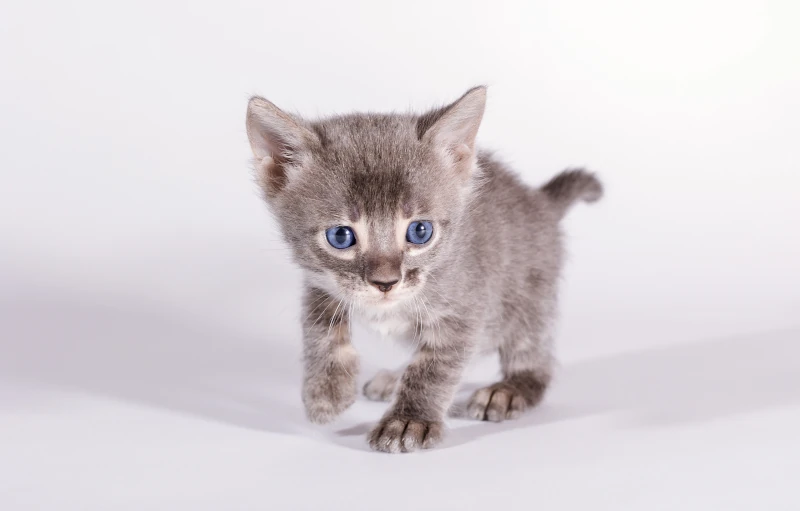
One of the rarest and most extraordinary genetic variations among Bengal cats is the appearance of dominant blue-eyed (DBE) Bengals.
Why is the dominant blue-eyed Bengal rare?
Cats that do not carry the dominant blue-eyed gene can only have blue eyes if they are either white or colorpoint. In Bengal cats, the colorpoint variation is called seal lynx, and this color always has blue eyes. However, the dominant blue-eyed Bengal cat is neither white nor colorpoint—it has blue eyes due to a rare, natural mutation that follows a dominant inheritance pattern.
What makes it special?
• Can occur in any coat pattern and color – Not limited to seal lynx Bengals but can appear in any color variation.
• Unique genetic lineage – These cats have a rare genetic background, requiring a dedicated breeding program, which our cattery was among the first to establish.
• Exclusivity and rarity – Few breeders focus on dominant blue-eyed Bengal bloodlines, making these individuals incredibly valuable and highly sought after. Currently, only 1-2 known individuals exist worldwide. Our New Wave Kitty Cattery specializes in developing this line.
The Bengal cat’s registration and recognition
The Bengal cat is recognized by every major cat organization, including TICA (The International Cat Association), CFA (Cat Fanciers’ Association), FIFe, and GCCF.
At our cattery, we register Bengal cats with TICA, as it is one of the most prestigious organizations in the international cat breeding world. TICA ensures that the breed’s standards remain high and guarantees the quality of breeding programs.
The Bengal cat is a unique, striking, and highly intelligent breed that has captured the hearts of cat enthusiasts worldwide with its wild appearance and domestic nature. Its origins trace back to the Asian leopard cat, with intentional breeding efforts starting in the 1980s.
Recognized by all major cat organizations, the breed now includes several remarkable genetic variations, including the rare dominant blue-eyed Bengal, which represents a truly unique genetic lineage.
If you’re looking for an extraordinary, intelligent, and active cat breed that combines the beauty of wild cats with the affectionate nature of a domestic feline, the Bengal cat is the perfect choice for you!