
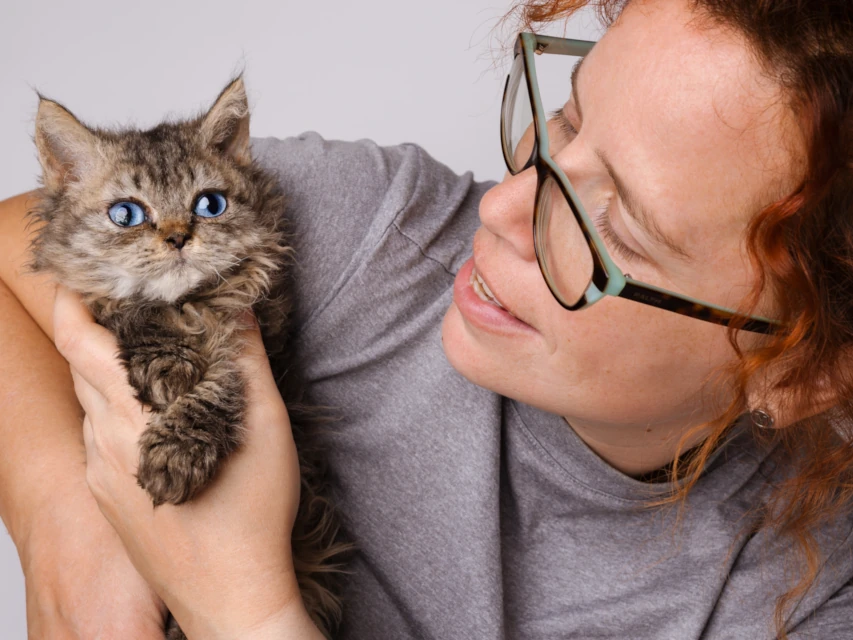
How true is the hypoallergenic myth, and how can we happily live with this unique cat breed?
The Selkirk Rex is one of the most unique and beloved cat breeds, winning hearts with its curly fur and playful personality. But does its curly coat make it hypoallergenic? Could it trigger allergic reactions if you choose this cat? In this article, we’ll answer these questions and explore why the Selkirk Rex could be the perfect companion—even for sensitive owners!
Is the Selkirk Rex hypoallergenic?
When evaluating whether a cat is hypoallergenic, it’s essential to understand that allergic reactions are not caused by fur but by a protein called Fel d 1. This protein is found in a cat’s saliva, skin secretions, and urine. The Selkirk Rex produces this protein in the same amounts as other cats, so it is not classified as hypoallergenic.
However, some cat breeds are better suited for allergy sufferers. For example, Bengal cats produce lower levels of Fel d 1, meaning many allergic people experience little to no symptoms around them. This special characteristic has made Bengals one of the top choices for allergy-prone cat lovers.
What are the characteristics of the Selkirk Rex coat and shedding?
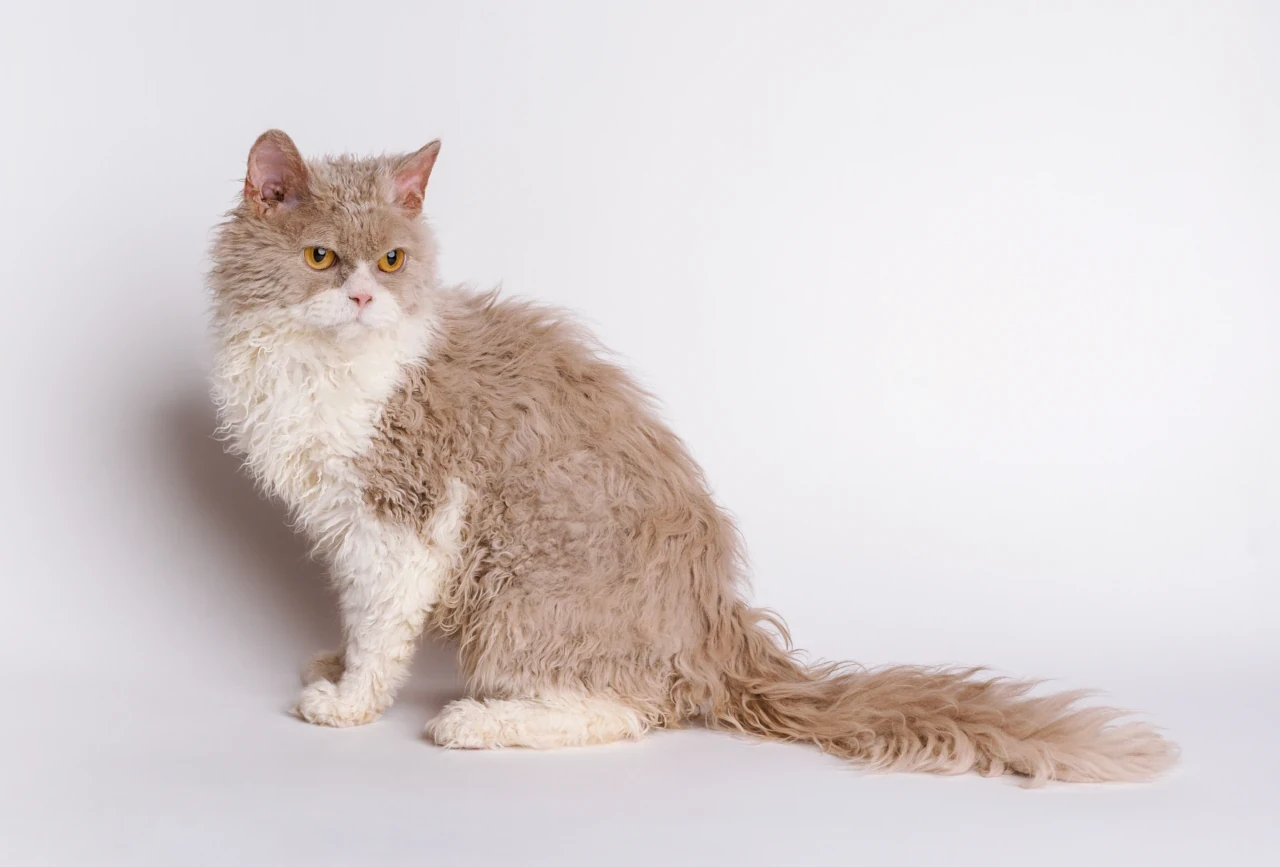
The standout feature of the Selkirk Rex is its beautiful, curly coat, which comes in two varieties: short-haired and long-haired. Both types have soft, fluffy fur that requires occasional care but sheds very little.
This is particularly appealing since straight-haired cats, especially those with short coats, tend to shed more significantly. In contrast, the fur of Selkirk Rexes stays mostly intact. A weekly brushing is recommended to remove loose hairs and prevent tangles, especially for the long-haired variety. Regular grooming ensures not only a beautiful coat but also a tidier home with minimal stray fur.
What cat breeds are suitable for allergy sufferers?
For a cat to be considered hypoallergenic, it either needs to produce less Fel d 1 protein or have a coat that releases fewer allergens into the air. Bengal cats, for instance, are popular among allergy sufferers due to their lower protein levels. Many owners report that Bengals cause little to no allergic reactions, making them a practical and enjoyable choice.
In comparison, while Selkirk Rexes are not hypoallergenic, their unique curly fur tends to trap allergens, reducing their spread in the environment.
Can the Selkirk Rex live outdoors?
The Selkirk Rex is primarily suited for indoor living. Its dense coat and friendly, people-oriented nature make it much more comfortable in a safe, home environment. While they may enjoy occasional outdoor play in a secured garden or a cat-proofed balcony, a fully outdoor lifestyle is not recommended for this breed.
The Selkirk Rex is a dream companion for many cat enthusiasts due to its distinctive appearance and loving personality. Although not hypoallergenic, its low-shedding coat makes it appealing to many. Allergy-prone owners should do their research and spend time with a Selkirk Rex beforehand to determine their reactions.
With proper grooming and a safe, loving environment, the Selkirk Rex can be a loyal, joyful companion for a lifetime!